BRIEF:
Every year, in August, South Africa celebrates Women’s Month, to pay tribute to the more than 20 000 women who marched to the Union Buildings on 9 August 1956, in protest against the extension of Pass Laws to women.
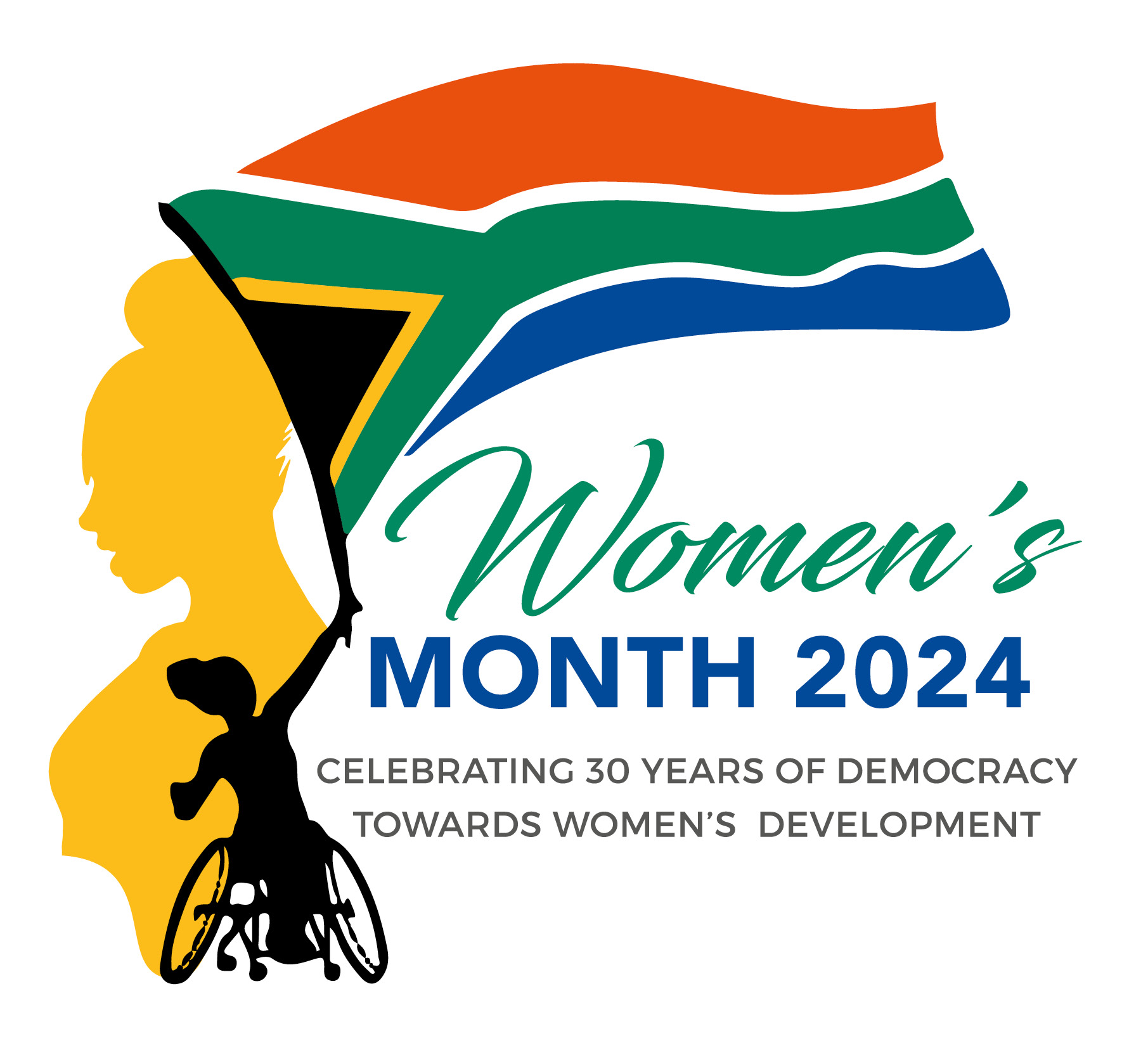
This year’s Women’s Month commemoration held under the theme: “Celebrating 30 Years of Democracy Towards Women’s Development” marks the 68th anniversary of the historic march.
During Women’s month we celebrate women as active agents of change and social transformation. The commemoration also allows us to take stock of achievements and the challenges that remain while mobilising support for the further development of women.
The month coincides with the country’s commemoration of 30 Years of Freedom and Democracy, making this year’s Women’s Month an important juncture for collective reflection on how we have empowered and advanced the rights of women in our democratic journey.
This year we also celebrate 30 years of the Women’s Charter, which was established to drive equality. During Women’s Month we will advance the Women’s Charter for Accelerated Development that was formulated in 2021. It aims to accelerate economic reforms to unlock women’s economic progress.
A number of socio-economic empowerment programmes and events will take place during the month including a trade expo, fashion show, and social dialogues.
The programme for National Women’s Month will be co-ordinated by the Department of Women, Youth and Persons with Disabilities, and the Department of Sports, Arts and Culture, along with a host of government departments and various role players.
| KEY MESSAGES | SUPPORTING STATEMENTS |
| We pay tribute and honour our nation’s remarkable women. | · During Women’s Month, we pay tribute to the women of South Africa, who led the liberation struggle and the women of today.
· The heroic women of 1956 and countless others paved the way for gender equality and empowerment in a democratic South Africa. · Their brave actions inspired women to take their rightful place in Parliament, government and civil society. · Through their sacrifices, we now live in a more equitable and prosperous South Africa, where women’s excellence is not only acknowledged but also actively encouraged. · We honour those who fought for the socio-economic rights of women and people with disabilities. |
| During the month of August- Women’s Month, government and its entities in different sectors will heighten information and awareness drives on available economic opportunities for women to take up!
|
· The 2024 Women’s Month programme will shine a spotlight on women in diverse fields including public sector procurement, construction, property and automotive.
· It will also focus on agriculture, manufacturing, trade, tourism, energy, waste management and technology, in narrowing gender disparities. · Activities for the month include a trade expo, which enables women to expand their reach as they exhibit their businesses. · The celebration of Women in Print series will be launched during Women’s Month and live streamed across several countries in Africa, indicating the role of women in this industry. · A number of interactive women’s dialogues such as creating a gender responsive economy are planned in the lead up to Women’s Day. · Through our Women’s Economic Empowerment Programme workshops we are equipping women traders with skills, tools and resources for business. · Programmes on women and waste management and the Green Economy, as part of the District Development Model, are helping women explore new areas of business. |
| Over the last 30 years we worked hard to uplift and empower women across our nation. | · Government continues to uphold its constitutional responsibility and national priority to protect, promote and advance the rights of women and persons with disabilities.
· The promotion of gender equality and women’s empowerment is central to our efforts to combat poverty and stimulate sustainable development. · Formal employment for women is facilitated through the Employment Equity Act where employers are legally required to work towards more equitable representation based on gender, race and disability. · Our Gender Equality Bill was introduced to accelerate the empowerment of women and attain 50/50 gender parity for the country. · We are drawing more women into the economy through our 40% preferential procurement in the public sector awarded to women-owned businesses. · Women-owned SMMEs are supported through the National Empowerment Fund, the Small Enterprise Finance Agency and National Infrastructure Fund. |
| Government continues to intensify the fight against GBVF. | · We condemn the high cases of GBVF in our nation.
· We are working hard to put an end to the scourge of GBVF through various legislation and programmes. · In 2022, President Ramaphosa signed into law the Criminal Law (Sexual Offences and Related Matters) Amendment Act Amendment Bill; the Criminal and Related Matters Amendment Bill, and the Domestic Violence Amendment Bill. · This was a step forward to ending GBVF and ensuring a victim centred approach in dealing with such cases. · In May 2024, the National Council on Gender-Based Violence and Femicide Bill and National Prosecuting Authority Amendment Bill was signed into law, enhancing the protection of women and children. · Government has also increased the number of sexual offences courts and various specialised units within the SAPS are committed to the fight against GBVF. · R21 Billion was dedicated to the implementation of the National Strategic Plan on GBVF, which includes women’s economic empowerment, psychological support, legal reforms and provision of evidence kits at police stations. |
| Together we can put an end to the scourge of GBVF. | · The National Strategic Plan for GBVF lays the foundation for a multi-sectoral and unified approach to ending the scourge of gender-based violence and femicide (GBVF).
· Ending the scourge of GBVF requires the efforts of government, private sector, civil society and every member of society. · It is the responsibility of all South Africans to end the culture of silence around gender-based violence and protect the women and children in our midst. · Citizens are urged to report perpetrators of abuse and GBVF to the police or seek assistance from the GBV Command Centre on 0800 428 428. · Survivors of GBVF can also seek assistance through the various Thuthuzela Care Centres and Khuseleka Care Centres that are available throughout the nation. |